-
Cable Management
-
Terminals
-
Wire & Cable
-
Wire Connectors
-
Heat Shrink
-
Switches

Using ring terminals might seem straightforward, but there are common mistakes that can compromise your work. Whether you’re a DIY enthusiast or an experienced professional, understanding these pitfalls can save you a lot of time and trouble.
Selecting the correct ring terminal size is crucial for ensuring a secure fit. Using a terminal that’s too large or too small can result in poor connections and potential hazards.
Finding the right fit is like finding the perfect shoe. If it’s too tight, you risk damaging the wire, while a loose fit can lead you to unreliable connections. Always refer to our ring terminal size chart to determine the best size for your project. When in doubt, seek guidance from experienced technicians to ensure a flawless installation.
Crimping might seem easy, but using the wrong technique can lead to a weak connection. Make sure you’re using the right tools and applying the correct pressure for an effective crimp.
It’s not just about pressure; it’s about precision. Incorrect crimping might appear sufficient, but the results can be catastrophic. The durability of your connections often depends on a well-executed crimp. Professionals suggest investing in quality crimping tools that ensure uniformity and reliability throughout the job. Remember, a solid crimp today can prevent a failure tomorrow.
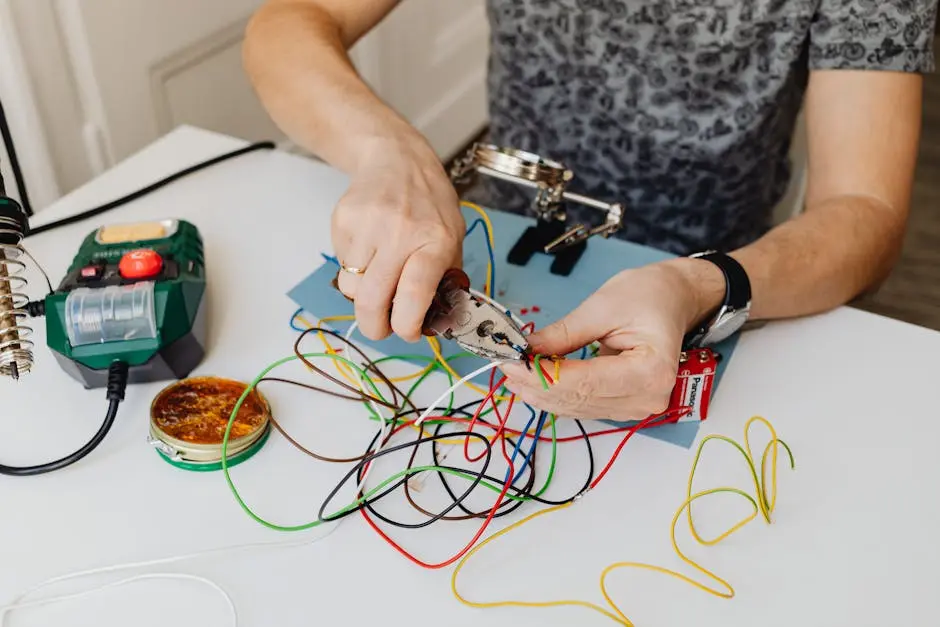
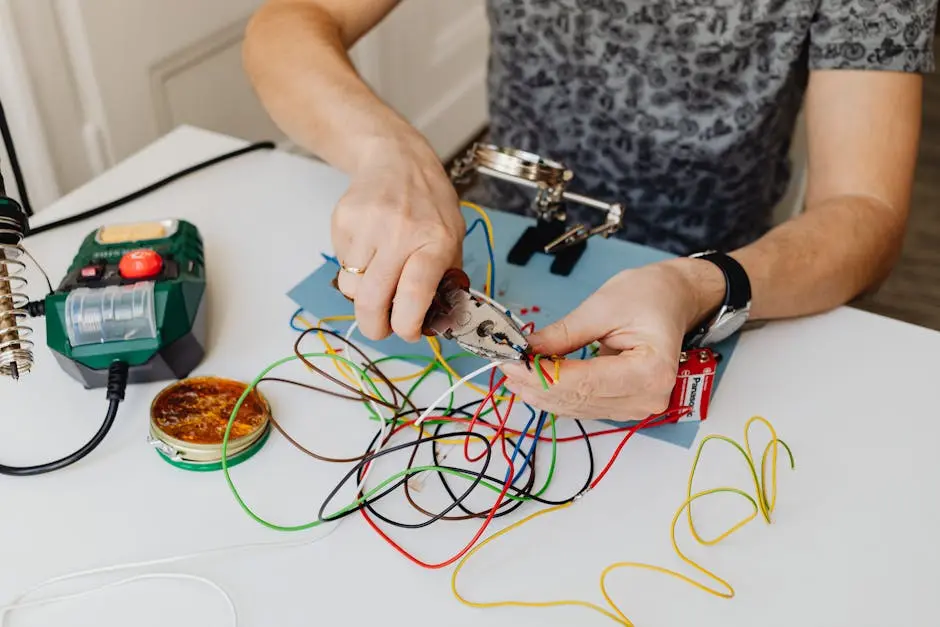
Stripping too much or too little insulation from the wire can affect the terminal’s performance. Follow precise guidelines to ensure only the necessary amount of wire is exposed.
Stripping wires requires a careful touch. Expose too much, and you’ll risk shorts and exposure to elements; too little, and the connection won’t hold. The key is precision. Tools like automatic wire strippers can offer assistance in achieving predictable and repeatable results, ensuring your terminal connections remain impeccable.
Matching the ring terminal to the appropriate wire gauge is essential. Mismatched sizes can lead to inefficient connections and possible failures.
Wire gauge isn’t just a number; it’s your assurance for safety and performance. Incompatible gauges can incur higher resistance, causing overheating and eventual failure of the system. Check the gauge your load needs with our wire gauge calculator and keep a variety of terminals on hand to match different tasks. This way, you’ll have flexibility and adaptability at your fingertips.
Environmental conditions such as humidity and temperature can impact the performance of ring terminals. Choose materials that withstand specific environmental conditions to maintain connection integrity.
Don’t let environmental conditions sneak up on you. Whether it’s the sweltering heat or damp cold, your materials should be equipped to handle the challenge. Consider tin-plated copper lugs or sealed heat shrink ring terminals for damp environments and insulated variants for outdoor setups. This foresight can extend the lifespan and reliability of your connections.
The right tools are critical for optimal ring terminal application. Inadequate or worn-out tools can hinder your ability to achieve a secure connection.
Tool quality directly correlates with connection quality. A dull cutter or misaligned crimper can spell disaster for your projects. Regular maintenance of your tools can mitigate these risks. Consider upgrading to industry-standard equipment, ensuring each terminal is installed with the precision it deserves.
A quick inspection after installation can catch mistakes. Check for loose connections or improperly seated terminals to ensure everything is in place.
Inspection isn’t just a formality; it’s a necessity. Look for subtle signs of wear or misalignment that might signal trouble. Post-inspection, give each crimp a firm pull test to verify the connection holds. This verification step can save costly repairs down the line.
Consider the electrical load requirements of your project. Using undersized terminals for high load applications can lead to overheating and failures.
Unknowingly underrating your load requirements can quickly escalate to dangerous levels. Checking an ampacity table for your wire size and insulation rating can help ascertain the load capacity specific to your condition. This prevents potential failures and maximizes the reliability of your project.
Protection is vital for long-term performance. Use heat shrink tubing and terminal covers to protect against corrosion and physical damage.
The final touch of a project often lies in its protective measures. Heat shrink tubing or specialized wraps enhance protection against environmental threats. Ensuring these steps post-installation allows for a prolonged terminal life, keeping your connections as robust as the day they were made.

In the bustling industrial landscape of Tacoma, every connection counts. From small-scale factories to large manufacturing plants, ensuring reliable and efficient electrical connections is key to operational success. One unsung hero of this arena is the bullet connector. But why exactly are these connectors so vital? Let’s explore the pivotal role bullet connectors play in Tacoma’s industrial projects.
Before we dive into their importance, it’s crucial to understand what bullet connectors are. Known for their distinctive shape, bullet connectors are a type of single-wire, quick-disconnect electrical connector. This simplicity makes them perfect for rapid connection and disconnection, especially in sprawling industrial setups.
Bullet connectors are often made of durable materials like brass or copper, which offer excellent conductivity and corrosion resistance—critical features for any component used in an industrial setting. The connectors come in male and female types, designed to easily fit into each other. This straightforward design minimizes the complexity usually associated with electrical setups. In Tacoma, where efficiency and speed are paramount, bullet connectors provide an unparalleled advantage by keeping connections secure and maintenance simple.
Bullet connectors provide numerous advantages, including easy installation, reusability, and a secure connection. Their design ensures that wires remain firmly in place, reducing the risk of accidental disconnections that can halt industrial operations. For Tacoma’s industries, these benefits can translate to reduced downtime and increased productivity.
Another standout feature of bullet connectors is their versatility. Compatible with numerous wire types and sizes, these connectors can be used across various applications—from automotive to electronics assembly lines. They help streamline processes by allowing simple interchangeability, drastically cutting the time required for wiring. This is particularly useful in industrial projects where efficiency is key to maintaining competitive lead times.
Moreover, bullet connectors are easy to identify and manage, thanks to their color-coded design. This feature enhances organization and minimizes the chances of wiring errors, which can be costly in terms of both time and resources. For technicians in Tacoma’s diverse industrial sector, these connectors simplify tasks, making complex electrical layouts more manageable and efficient.
In any industrial setting, safety is paramount. Bullet connectors aid in maintaining high safety standards by reducing the chance of loose wires and electrical hazards. Their reliability cuts down on the potential for short circuits and the subsequent risks they pose to both personnel and machinery.
Furthermore, using bullet connectors can contribute to safer work environments by ensuring proper insulation. This reduces the risk of shocks and fires, which are constant threats in high-powered industrial environments. Tacoma’s factories and construction sites can greatly benefit from such fail-safe mechanisms that prevent accidents and ensure compliance with safety standards.
Given the fast-paced nature of industrial work, maintenance needs to be quick and efficient. Bullet connectors allow for swift disconnection and reconnection, making repairs and replacements hassle-free. This feature is particularly beneficial for Tacoma’s industries as they strive to minimize downtime during essential maintenance operations.
Moreover, the non-permanent nature of bullet connectors enables multiple uses, offering an eco-friendly solution to electrical connectivity. This aspect is appealing for industries aiming to adopt sustainable practices. By reducing waste and enhancing flexibility, bullet connectors support Tacoma’s vision of being a green industry leader, providing industries with an opportunity to meet modern environmental standards and goals.
Tacoma’s industrial sector is diverse, encompassing various fields that benefit from the versatility of bullet connectors. From automotive production lines to food processing, these connectors streamline operations, adapt to different wiring needs, and provide consistent performance. Their widespread adoption speaks volumes about their significance in the region’s industrial development.
In many cases, bullet connectors enable Tacoma’s industries to adapt swiftly to evolving technological landscapes. As machinery and technology continue to advance, the need for scalable and adaptable solutions becomes ever more essential. Bullet connectors meet this need perfectly, aligning with Tacoma’s economic and technological ambitions. By simplifying retrofitting and upgrades, new innovations are much easier to integrate into existing systems, allowing Tacoma’s industries to remain at the forefront of industrial progress.
In conclusion, the use of bullet connectors in Tacoma’s industrial projects underscores the importance of reliable and efficient electrical connections. These connectors offer unmatched versatility, enhance safety standards, and streamline maintenance processes, making them a cornerstone in the industrial sector. As Tacoma continues to grow and develop, bullet connectors will undoubtedly remain an essential component in ensuring the smooth operation of its industrial projects. Whether you’re an established business or a new player in the market, considering the use of bullet connectors can greatly enhance your operational efficiency. To explore more about effective industrial solutions, visit Electrical Supply Center.

Welcome to the world of butt connectors! These handy little tools are essential for creating secure electrical connections. Whether you’re a seasoned pro or a DIY enthusiast, mastering the use of butt connectors can make your projects more efficient and reliable. Let’s dive into some expert tips that will help you utilize butt connectors like a pro.
Selecting the right size and type of butt connector is crucial for ensuring a secure connection. Make sure you know the wire gauge you’ll be working with and choose connectors that match.
Butt connectors come in various materials such as nylon, vinyl, and heat shrink, each with unique properties. Understanding their applications can significantly impact the longevity of your connections. For instance, heat shrink connectors provide excellent moisture resistance and are ideal for marine environments. Decide based on your project’s specific requirements for the best results.
Before connecting, properly strip your wires to the correct length. This step is vital for a strong connection; too much or too little exposed wire can lead to failure.
To ensure accuracy, use a wire stripper to remove the correct amount of insulation, exposing just enough wire for the connector. Understanding the importance of correct wire stripping enhances efficiency and reduces the risk of having too much exposed wire, which can cause short circuits.
Use the right crimping tool to compress the connector onto the wires. Make sure the crimp is firm and secured; a good crimp is essential for a lasting connection.
Different connectors require specific crimping techniques. For instance, use a ratcheting crimper for insulated connectors for uniform compression. This approach not only prevents wire damage but also enhances the reliability of the connection.
Moreover, pay attention to the pressure applied during crimping. Excessive force can damage the wire, while insufficient pressure may result in a loose connection. Practice varying pressures to perfect your technique and achieve a secure fit.
After crimping, give the wires a slight tug to ensure they’re held firmly in place. This simple check can save you from future disconnections.
Consider using a cable tie for added stability, especially in high-vibration environments. Cable ties help prevent unnecessary movement of wires, thereby reducing stress on the connections.
For moisture-prone environments, use heat shrink tubing to seal the connection. This extra layer of protection is vital for outdoor or automotive projects.
To ensure an airtight seal, use a heat gun to properly shrink the tubing around the connector. This step not only prevents moisture ingress but also provides a clean, professional appearance.
After everything is in place, double-check your work. Look for any loose wires or incomplete seals that might need adjusting.
A visual inspection might not always reveal issues; therefore, consider using a multimeter to test for electrical continuity. This tool can confirm a solid electrical path and detect any abnormal resistance levels.
Periodically test your connections, especially in critical applications. Early detection of potential issues can prevent failures.
Establishing a maintenance schedule enhances the reliability of electrical systems. Regular checks can detect wear and tear early, allowing for timely repairs and preventing costly system failures.

Bienvenido a esta guía sobre conectores de bala, un componente esencial en el mundo de las conexiones eléctricas automotrices. En este artículo, desglosaremos qué son, cómo funcionan y por qué son importantes en las aplicaciones automotrices.
Los conectores de bala son componentes fundamentales para realizar conexiones eléctricas temporales y estables en vehículos. Son pequeños dispositivos cilíndricos que ofrecen a los técnicos una opción de desconexión rápida frente a otros sistemas más permanentes.
Debido a su diseño compacto y eficiencia, los conectores de bala están presentes en diversos contextos más allá del ámbito automotriz. Sin embargo, sus características especiales los convierten en estándares en el diseño de sistemas eléctricos vehiculares.
Estos conectores operan a través de un simple mecanismo de ajuste similar a un enchufe. El conector macho se inserta firmemente en el hembra, creando una conexión sólida que permite el flujo de corriente a través de los cables conectados.
Esta facilidad de conexión y desconexión también permite ajustar o reemplazar componentes con facilidad, asegurando que las correcciones se realicen rápidamente sin comprometer la eficiencia del sistema eléctrico.
En el ambiente automotriz, las vibraciones son una constante, y aquí es donde los conectores de bala verdaderamente brillan. Están diseñados para soportar movimientos constantes y prevenir desconexiones inesperadas, manteniendo así la integridad del circuito eléctrico.
Además, gracias a su diseño intuitivo, incluso aquellas sin experiencia extensa en mecánica pueden realizar instalaciones básicas, convirtiendo el mantenimiento y las reparaciones en tareas menos intimidantes.
La durabilidad de estos conectores garantiza que continuarán funcionando bien incluso después de repetidos ciclos de conexión y desconexión, ofreciendo a los conductores una fiabilidad incomparable.
Los conectores de bala son indispensables en sistemas de audio donde cada conexión de altavoces necesita ser precisa y libre de interferencias. El uso de estos conectores ayuda a asegurar que los sistemas de sonido funcionen sin fallas.
También se emplean con frecuencia en sistemas de iluminación, incluidas las luces internas y externas, por su capacidad de proporcionar una conexión firme que puede soportar las condiciones cambiantes del vehículo.
El proceso de instalación de un conector de bala es sencillo. Comienza con el pelado adecuado del cable. Luego, asegúrate de que el conector esté posicionadamente correctamente, facilitando una conexión firme y segura.
Para un ajuste seguro, considera utilizar herramientas específicas que aseguren una fijación correcta y disminuyan el riesgo de conexiones sueltas que puedan llevar a fallos eléctricos.
Los conectores de bala juegan un papel crucial en garantizar conexiones eléctricas seguras y eficientes en los vehículos. Al comprender su funcionamiento y aplicación, puedes asegurar un mantenimiento y reparación de alta calidad en cualquier proyecto automotriz.