-
Cable Management
-
Terminals
-
Wire & Cable
-
Wire Connectors
-
Heat Shrink
-
Switches

Toggle switches are a staple in many technical environments. These simple yet powerful components help control various functions, ensuring that systems run smoothly. In Tacoma, technicians have mastered the art of using toggle switches in innovative ways. Let’s explore how these clever professionals make the most out of toggle switches.
In many industrial settings, safety is a top priority. Tacoma technicians use toggle switches to implement fail-safes that automatically shut down machinery in emergency situations. This application helps prevent accidents and ensures a safer working environment. By integrating these switches into safety protocols, not only is there a reduction in human error but also an enhancement in response times, giving operators peace of mind.
It’s fascinating how these simple tools can be programmed to handle complex safety systems. For instance, when combined with sensors, toggle switches can deactivate machinery parts when a threshold is breached. This innovation not only enhances workplace safety but also serves as a preventive measure against costly machinery breakdowns.
Toggle switches are instrumental in simplifying complex processes. Technicians in Tacoma integrate these switches into control panels to streamline operations, allowing for quick and efficient control over multiple functions with just a flick of a switch. This method eliminates the need for tedious manual interventions, thereby reducing downtime and increasing productivity.
Moreover, toggle switches are key in customizing workflow processes to suit specific operational needs. For instance, they can be configured to initiate multiple actions simultaneously—turning on the lights, starting the ventilation, and booting up computers—all with one toggle. This seamless integration is what sets Tacoma’s technicians apart in their field.
Tacoma’s automotive technicians often use toggle switches to enhance vehicle customization. Whether for controlling auxiliary lights, managing fuel systems, or even activating aftermarket modifications, these switches offer flexibility and convenience. Car enthusiasts enjoy the ability to personalize their driving experience, from turning on ambient lighting to switching driving modes.
These switches are not only about personalization; they are about improving the practicality of vehicle operations. For instance, installing a toggle switch for emergency lights that only activates when needed helps conserve vehicle battery life, offering both functional and energy-efficient solutions.
In the world of electrical installations, power management is crucial. Technicians utilize toggle switches to efficiently route and control power distribution, ensuring systems are both economical and effective in their energy use. They allow for sections of a system to be individually controlled, providing the flexibility to isolate faults without disrupting the whole system.
This becomes particularly important in large-scale installations where energy consumption is a key consideration. By employing toggle switches, Tacoma’s technicians make energy management more accessible and less daunting, optimizing the electrical flow within any given network without wasting resources.
With the rise of smart homes, Tacoma technicians are incorporating toggle switches into home automation systems. These switches allow for easy activation and deactivation of various automated features, providing homeowners with greater control and convenience. Technicians often connect these switches to smart hubs, enabling them to toggle multiple features with voice commands via virtual assistants.
The beauty of these manual overrides becomes apparent during power interruptions or when internet connectivity falters, as they ensure the household remains functional. This smart integration bridges the gap between traditional household systems and cutting-edge automation, making homes in Tacoma smarter and more responsive.
In audio-visual setups, toggle switches offer straightforward control over equipment. Whether it’s switching between sound sources or adjusting visual settings, Tacoma technicians leverage these switches to ensure top-notch audio-visual experiences. By selecting specific modes with a toggle switch, technicians ensure seamless transitions from one media source to another, enhancing the experience.
Toggle switches can often be found as integral components in home theater configurations. Their ability to manage multiple devices from a single point makes them indispensable for those seeking an easy yet powerful method to control complex systems, ultimately leading to more immersive entertainment environments.
Network technicians frequently use toggle switches for managing network equipment. These switches can easily activate or deactivate particular segments of the network, facilitating better control over network traffic and maintenance. This capability is especially useful during troubleshooting sessions, where isolating problematic areas can significantly reduce downtime.
Moreover, in network security, these switches add an additional layer of manual control. By physically cutting off access to specific network sections during a cyber threat, technicians can protect sensitive data from being compromised, thus enhancing the overall integrity of the network system.
Toggle switches are essential for creating versatile lighting configurations. In Tacoma, technicians employ these switches to adjust lighting setups in both commercial and residential environments, enhancing the ambiance and functionality of spaces. By designing custom lighting scenarios, individuals can modify their lighting to meet specific needs, such as focusing on workspaces or highlighting architectural features.
Data centers rely on efficiency and reliability. Toggle switches are used to manage server operations and improve system uptime by quickly addressing any issues that may arise, ensuring the smooth operation of data centers in Tacoma. These switches aid in the rapid redistribution of resources in response to the dynamic demands of today’s data-heavy environments.
In the realm of renewable energy, Tacoma technicians use toggle switches for experimentation and innovation. These switches play a part in testing new energy solutions and optimizing current systems for better sustainability and performance. By allowing technicians to switch between different modes of operation or energy sources, these switches contribute to evolving solar, wind, and other renewable energy technologies.

Terminal connectors might seem like small, insignificant components in the grand scheme of electrical systems, yet they play a crucial role in ensuring safety, efficiency, and reliability. Whether you’re an engineer, electrician, or just curious about how these connectors contribute to modern electrical systems, this exploration will guide you through their varied applications and benefits.
At their core, terminal connectors are devices used to join two or more electrical circuits. They ensure that electrical connections are secure and stable, preventing faults and potential safety hazards. Let’s break down what makes terminal connectors essential components in electrical systems.
Terminal connectors come in various shapes and sizes, designed to suit specific functions and environments. Their fundamental role is to provide a point where electrical circuits can connect safely, creating a path for electrical flow. An important factor to consider is their capacity to handle varying currents, which makes choosing the right type of connector crucial for the system’s overall reliability.
From residential to industrial applications, terminal connectors are present across numerous domains. Their significance is not only in the role they play within broader systems but also in how they make maintenance and system modifications easier. Given their importance, the design and selection process involves careful consideration of several factors such as environmental conditions and electrical requirements.
There are several types of terminal connectors, each designed for specific applications. Depending on the requirements, you might come across screw terminals, spade terminals, or ring terminals, among others. Understanding these types helps us appreciate their unique characteristics and uses.
Screw terminals are commonly used due to their reliability in securing wires. They are particularly useful in environments where vibrations occur, as the screws ensure a stable connection. On the other hand, spade terminals are often employed in automotive and household applications because they allow for quick and easy connections. Moreover, ring terminals provide a secure connection that prevents accidental disconnection, making them popular in industrial settings.
Each type comes with its advantages and limitations. For instance, while screw terminals offer strong connections, they can be more time-consuming to install. Similarly, ring terminals might require more space but are ideal for environments where connection stability is non-negotiable. This diversity allows professionals to choose the best connector based on the specific demands of their projects, ensuring efficiency and safety.
One of the primary roles of terminal connectors in electrical systems is to enhance safety and operational efficiency. By ensuring stable connections, they minimize the risk of short circuits and other electrical malfunctions, which can lead to equipment damage or personal injury.
Beyond preventing malfunctions, terminal connectors also promote efficient energy flow. This efficiency reduces energy waste and can significantly lower operational costs, especially in large-scale operations. For this reason, both the durability and conductivity of material are key considerations in their manufacturing, influencing factors such as metal coatings and base materials used.
In safety-critical systems, the choice of terminal connector can dictate the margin between reliable operation and potential hazards. Selecting the right connectors ensures that connections hold under stress while also conforming to strict safety standards. This is particularly important in industries with stringent regulatory environments, where poorly chosen components could lead to compliance issues or worse, safety incidents.
As technology advances, so too does the design and functionality of terminal connectors. Innovations aim to meet the growing demand for more efficient, reliable, and environmentally friendly electrical connections. Exploring these future trends can give us insight into what lies ahead.
Modern terminal connectors are increasingly incorporating smart technology, enhancing their ability to monitor performance and diagnose issues automatically. This can drastically reduce maintenance times and improve system uptime. Some connectors now even offer integrated sensor technology, providing real-time data on connection status and environment conditions.
Sustainability is also becoming a driving factor in connector development. Manufacturers are now focusing on recyclable materials and energy-efficient production processes. As more industries strive to reduce their carbon footprint, these eco-friendly solutions are expected to become industry standards. Future innovations will likely focus on making connectors not just smarter and more reliable, but also more sustainable.
In conclusion, terminal connectors are far more than just functional components within electrical systems. Their versatility and ability to adapt to different use cases make them indispensable in both everyday and specialized applications. As technology and design evolve, so too will the role of terminal connectors, continuing to meet the challenges of our modern electrical demands.

Ensuring your vehicle’s battery cables are in good condition is crucial for maintaining a reliable electrical system. Over time, battery cables can wear out, leading to performance issues or even a failure to start. In this guide, we’ll explore some simple ways to determine if your battery cables need replacing.
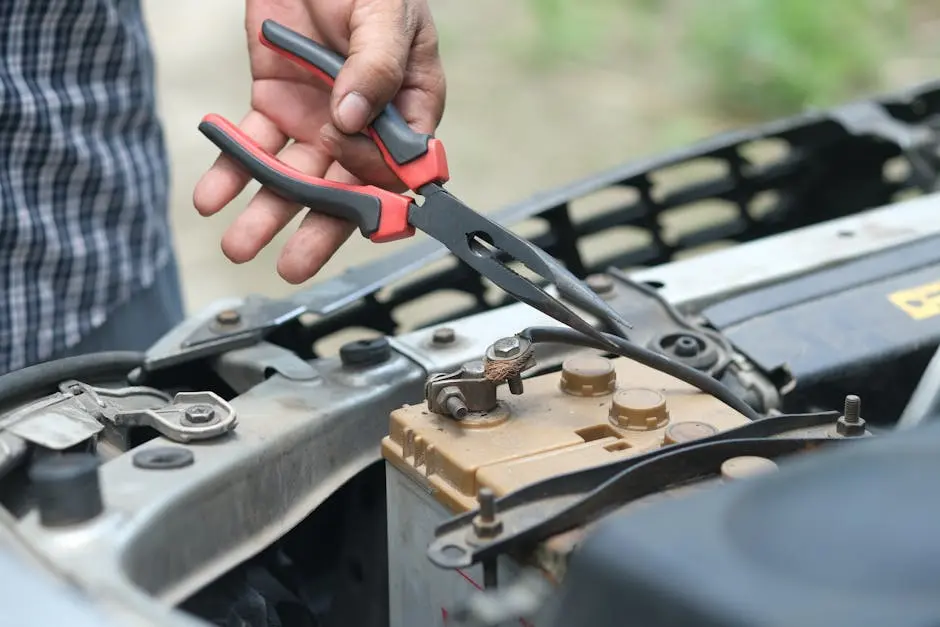
Start by inspecting your battery cables for any obvious signs of damage such as fraying, cracking, or excessive wear. This kind of damage can interrupt the flow of electricity, causing performance issues.
If the cables appear to be damaged, it is crucial to address this issue immediately to ensure continued reliability of your vehicle’s electrical system. Damaged cables can result in engine start failures, leaving you stranded.
Corrosion, often seen as a white or bluish powdery substance around the battery terminals or cable ends, can interfere with electrical connectivity. Regular cleaning can help, but if the corrosion is extensive, replacement might be necessary.
To clean the corrosion, a simple mixture of baking soda and water can be applied around the terminals. However, if the corrosion persists and spreads extensively, it may be time for preventive maintenance measures.
Healthy battery cables should be flexible. Gently bend the cables to see if they are supple or if they feel stiff and brittle. Stiff or brittle cables are more likely to crack and should be replaced.
Flexible cables allow for better current flow, decreasing the likelihood of battery startup issues. If you notice any portions of the cable feeling fragile, it could be a sign of wear and aging, so catching these early will avoid inconvenient vehicle breakdowns.
Ensure that the connections between the battery cables and the battery terminals are tight and secure. Loose connections can lead to intermittent electrical problems and should be tightened or replaced if necessary.
If you’re experiencing unexpected flickering lights or issues starting the vehicle, looseness in connections might be the culprit. Regularly checking and securing these connections can significantly improve the electrical flow efficiency, minimizing the risk of failures.
Performing a voltage drop test can help determine if there’s too much resistance in the cable, which indicates it’s not conducting electricity efficiently. If the test reveals high resistance, it may be time for a replacement.
A voltage drop test is straightforward and can be done with a multimeter. When resistance levels exceed the norm, the inefficiency results in power loss, impacting the overall performance of your vehicle’s electrical system.
By regularly checking your battery cables for signs of wear and performing routine maintenance, you can prevent unexpected electrical issues and ensure your vehicle runs smoothly. Remember, if you’re ever in doubt about the condition of your cables, consulting with a professional is always a smart choice. For all your electrical needs, visit our homepage and explore our offerings.

Installing battery cables might seem straightforward, but there are several common mistakes that can lead to big problems if not addressed. In this guide, we’ll explore these pitfalls and how to avoid them, ensuring your battery setup is safe and efficient.
Selecting the correct cable size is crucial. Using a cable that is too thin can cause overheating, while one that is too thick can be unnecessarily costly and hard to work with. It’s not only about immediate efficiency but also about long-term safety. Incorrect cable sizes can lead to energy loss which affects your battery’s overall performance. Understanding the importance of cable size can help you choose wisely, ensuring optimal power flow and reducing the risk of short circuits.
Cable length affects the resistance. Longer cables increase resistance, which can lead to power loss. Always measure carefully to ensure the cable isn’t too long or too short. Remember, the right length ensures minimal resistance and helps maintain a consistent voltage to your device. Consider the physical layout too—plan your setup to minimize unnecessary bends or loops, as these add unwanted length and potential points of failure. This consideration is especially important in environments where space is at a premium and efficiency is key.
Loose connections can lead to arcing and power failure. Ensure all connections are tight and secure to maintain a stable power supply. Regular inspections of the terminals and connections can prevent unexpected outages. Use locking mechanisms or double-check connectors to confirm they are fully engaged. Properly securing connections not only prolongs the lifespan of your battery system but also enhances safety by preventing dangerous heat buildup from poor contacts.
Using improper tools can damage the cables or terminals. Invest in quality tools like wire strippers and crimpers to get the job done right. Quality tools ensure reliability in your connections and help maintain the integrity of the wire and connectors. Improperly stripped wires can lead to fraying or breakage, inefficient connectivity, and unsafe conditions. Remember, investing in the right tools can save you money and time over the long term while ensuring your setup is up to standard.
Insulation is key to protecting cables from environmental damage. Damaged or inadequate insulation can lead to short circuits. Besides the visible wear and tear, it is essential to ensure that the insulation material is suitable for the environment the cables will be exposed to. Heat, cold, moisture, or chemical exposure can all weaken insulation over time, making cable failure more likely. Keep an eye on this, especially if conditions around your setup change with seasons or usage patterns.
Good grounding is essential for safety and performance. Ensure that cables are grounded according to manufacturers’ specifications. Proper grounding helps protect both the circuit and the user from faults that could lead to shock or fire hazards. It also aids in maintaining system stability by minimizing interference from electromagnetic fields. Always follow the guidelines provided for specific battery setups and consider seeking professional advice if unsure about the grounding process.
Testing ensures everything is working correctly. Skipping this step can mean missing potential issues that could cause failures later. Conducting post-installation tests using a multimeter or other diagnostic tools can quickly reveal whether connections are secure and circuits are complete. Regular testing also helps track performance over time, allowing you to catch degradation before it becomes a significant problem. Make it a habit to test after any maintenance or significant environmental changes to keep your system reliable.
Corrosion can impede electric flow and cause efficiency issues. Always clean terminal connections before installation. Regular cleaning of terminals with appropriate solutions helps prevent corrosion buildup, which can otherwise lead to poor conductivity. Apply anti-corrosion sprays or petroleum jelly as a preventive measure after cleaning. Corroded terminals can also lead to overheating due to increased resistance, so maintaining them is crucial for both efficiency and safety.
Connecting cables to the wrong terminals can cause serious damage. Double-check that you are connecting positive and negative cables correctly. Mismatched connections can cause immediate device failure or require costly repairs. Always follow color-coding or labeling standards to minimize errors, especially during initial installation or maintenance. Confirm connections with a testing device if you’re unsure and follow manufacturer instructions closely to ensure accurate setup.
Manufacturers provide specific instructions for a reason. Ignoring these can lead to improper installation and void warranties. Always read through the guidelines and make sure to adhere to them—this not only safeguards your equipment but also ensures optimal performance and safety. Manufacturer instructions often include setup tips, safe operation procedures, and troubleshooting advice that are vital for proper maintenance and operation of your battery system.
Cables need some flexibility to accommodate movement and prevent stress. Rigid cables may crack under pressure and cause failures. Consider the environment and any potential physical adjustments that may occur around the battery arrangement. Flexible cables adapt better to movement and vibrations, especially in mobile or transport setups. Employ flexible connectors where needed and regularly inspect for signs of stress or wear at bends and joints.
Different types of cables are used for different applications. Make sure the cable you use is suitable for your specific battery setup. Consult with experts or resources to identify the right type of cable for your specific needs, whether you are dealing with high temperatures, heavy current loads, or exposure to the elements. Installation projects often have specific requirements that standard cables might not meet; understanding these requirements can make significant long-term differences.
Cables should be routed away from sharp edges and heat sources. Poor routing can lead to damage and reduce the lifespan of the cables. Plan your route carefully before installation, ensuring cables remain clear of interference and potential physical damage. Utilize cable ties and proper clips to secure cables along the chosen path, reducing the chance of them coming into contact with potentially harmful objects or areas. Thoughtful routing can avoid most physical damages and save costs related to premature replacements.
Routine inspections can catch wear and tear before issues arise. Schedule regular checks to ensure everything is in good condition. This proactive approach helps identify potential issues such as loosening connections, corroded parts, or insulation decay. Regular maintenance aligned with inspection results can immensely extend the lifetime and reliability of your battery setup. In devices that work under tough conditions, this step is even more crucial to prolong not only cable life but also device safety and efficiency.
Always follow safety protocols to protect yourself from electric shock or other injuries. Wear appropriate personal protective equipment at all times. Safety should be your top priority in any electrical project, requiring more than just protective gear – it’s about adopting an attitude of caution and mindfulness throughout the process. Keep your workspace organized and free of distractions to prevent accidents, and don’t hesitate to consult resources or professionals when tackling unfamiliar tasks.