-
Cable Management
-
Terminals
-
Wire & Cable
-
Wire Connectors
-
Heat Shrink
-
Switches

Setting up an electrical system that stands the test of time requires choosing the right components. One of these critical components is the humble ring terminal. In this blog, we’ll explore why ring terminals are indispensable for achieving durable and reliable electrical connections.
Ring terminals are a type of electrical connector engineered to provide secure connections in various applications. Their circular shape allows them to be easily attached to a screw or stud, ensuring a solid connection. Available in different sizes and materials, they cater to a wide array of electrical wiring needs.
The design of ring terminals makes them incredibly versatile. They come in variations like insulated and non-insulated types, each serving specific purposes. Insulated ring terminals are designed to protect against electrical leakage, providing an extra layer of safety—particularly important in high-voltage scenarios. Additionally, these terminals find their way into various industries, showcasing their ability to adapt and deliver safety across different platforms.
Ring terminals are favored by professionals and DIY enthusiasts alike due to their robustness and reliability. They offer a secure and fixed connection that prevents wires from slipping out, reducing the risk of loose connections. Additionally, their design facilitates ease of installation and maintenance, making them a cost-effective choice in the long run.
One of the understated benefits of using ring terminals is their contribution to reducing maintenance time. When employed in complex systems, these terminals guarantee that parts remain secure and require less frequent checks. This advantage is particularly noticeable in industries where downtime can be costly. By ensuring connections remain intact, ring terminals support uninterrupted operation, significantly enhancing efficiency over time.
Moreover, ring terminals are heat-resistant, minimizing the chance of connection failures in environments with high temperatures. This characteristic is crucial for applications like automotive and industrial machinery, where exposure to heat is frequent. By mitigating heat-related issues, ring terminals enhance the overall safety and functionality of electrical systems.
Ring terminals are versatile enough to be used in numerous applications, from automotive wiring systems to home electrical setups. In automotive settings, they help maintain stable connections despite vibrations, while in residential projects, they provide dependable links in complex circuits.
In the realm of marine electronics, ring terminals are indispensable. Boats and other watercraft require electrical systems that withstand not only vibrations but also exposure to water and salt. The durable nature of ring terminals, especially those made from corrosion-resistant materials, makes them a go-to choice in these aquatic settings, ensuring electrical components perform optimally against harsh marine elements.
Additionally, ring terminals find applications in renewable energy systems. Solar panels, which must endure fluctuating weather conditions, benefit from the secure connections provided by ring terminals. These connectors are pivotal in maintaining the efficiency of energy transfer, ensuring that systems such as solar power installations remain operational and effective over extended periods.
Selecting the appropriate ring terminal involves considering the wire size, environment, and application requirements. It’s important to match the terminal size with the screw or stud to ensure a firm connection. Our ring terminal size chart shows which terminal fits each wire gauge and stud. Furthermore, choosing terminals made from corrosion-resistant materials can enhance performance in harsh conditions.
An essential step in picking the right ring terminal is understanding the electrical capacity required for your setup. Different projects demand varying degrees of electrical flow, and ensuring your terminals are rated accordingly can prevent potential overloads. Always check the amperage rating of both the wire and terminal to maintain system integrity and safety.
When dealing with environments prone to moisture, opting for insulated ring terminals can offer added protection against electrical corrosion. This additional layer not only preserves the longevity of the connections but also upholds the safety standards crucial in environments like kitchens and outdoor installations, where moisture is prevalent.
Incorporating ring terminals into your electrical systems is a simple yet effective way to boost durability and reliability. Whether you’re working on a large-scale project or a DIY task at home, embracing this small connector can make a big impact on the longevity and performance of your electrical setups.

If you’ve ever worked on an electrical project, you might have come across bullet connectors. These handy little devices can make wiring tasks easier and more efficient. But what exactly are bullet connectors, and how do they function? In this FAQ, we’ll delve into the world of bullet connectors, exploring their purpose, functionality, and applications.
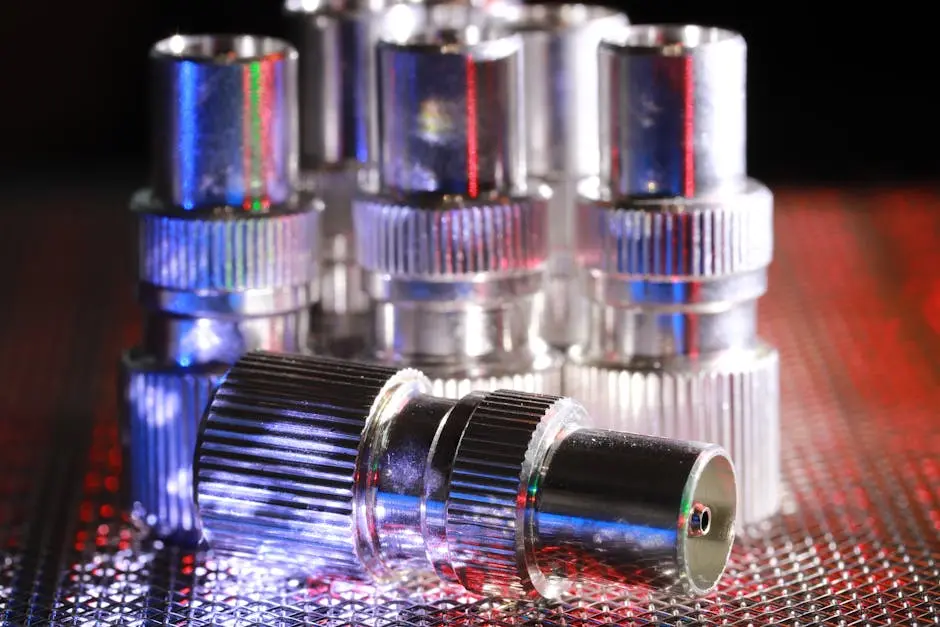
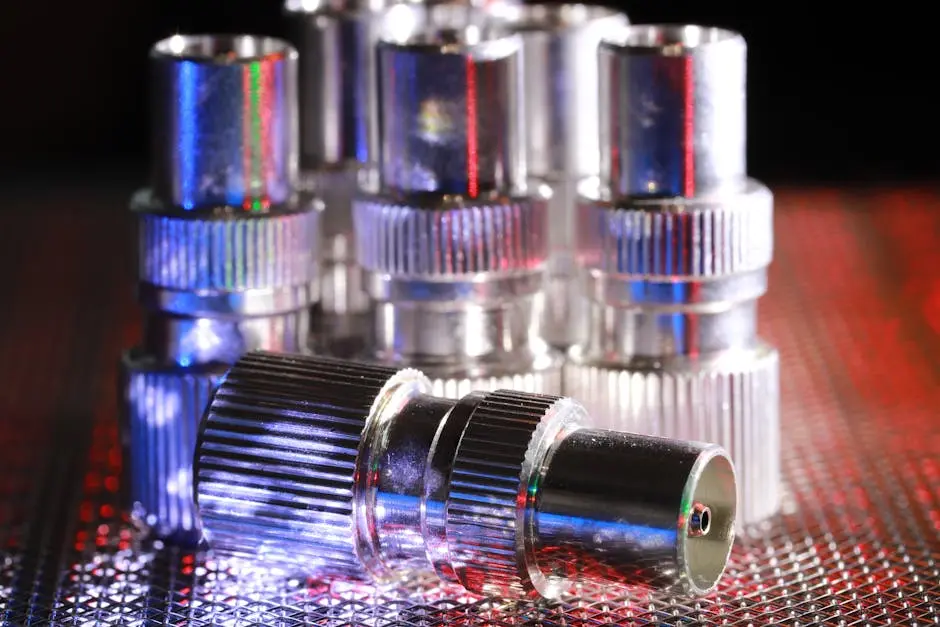
Bullet connectors are electrical connectors that are commonly used to create a secure electrical connection. They are named for their bullet-like shape. These connectors typically consist of a male and a female component, which fit together snugly to form a reliable electrical link.
The design of bullet connectors allows for easy insertion and removal, making them a popular choice in situations where frequent disconnects are necessary. Their simplicity and effectiveness make them a staple in various electrical kits.
To use bullet connectors, you insert the male end into the female end to establish an electrical connection. Their design ensures a firm fit that can withstand movement and vibration, making them particularly useful in automotive and electronic applications where secure connections are essential.
The smooth connection process not only maintains electrical integrity but also ensures minimal transmission loss. This is particularly critical in automotive applications, where efficiency is key, ensuring devices operate optimally without power interruptions.
Bullet connectors find application in various industries, including automotive, marine, and consumer electronics. They are ideal for situations that require quick disconnects or where frequent reconnections might be necessary, such as connecting wires in vehicle lighting systems or audio equipment.
One particularly interesting application is their use in solar panel connections. Despite being a little-known fact, bullet connectors offer the flexibility required to assemble and disassemble the setups as needed, supporting efficient renewable energy solutions.
The primary benefits of bullet connectors include their ease of use, durability, and ability to provide a strong and reliable connection. Additionally, they allow for quick disconnection when needed, which is convenient for troubleshooting and repairs.
Bullet connectors are also noted for their adaptability across different wire gauges and setups. This universal compatibility minimizes the need for specialized tools or connectors, streamlining project processes.
For industries that depend on frequent modifications or upgrades, this means reduced downtime and enhanced productivity. The ability to quickly swap components without compromising connection integrity is a major advantage.
To install bullet connectors, you’ll need to strip the insulation off the wires, insert the wire into the connector, and then crimp them together using a crimping tool. Ensure a tight fit to avoid any loose connections. Always follow proper safety precautions when working with electrical components.
Proper installation is crucial to maintain reliable connections. When crimped correctly, bullet connectors provide an electrical link that can withstand environmental stressors, ensuring long-term stability.
Bullet connectors are indispensable tools for anyone involved in electrical work. Their ability to provide quick and reliable connections makes them a popular choice in various projects. By understanding how bullet connectors work and where to use them, you can enhance the safety and efficiency of your wiring tasks. So, next time you need a solid connection, remember to consider bullet connectors for a hassle-free experience. For more on electrical solutions, check out our homepage at Electrical Supply Center.

Installing a toggle switch in a panel may seem daunting, but with the right tools and a bit of guidance, you can easily tackle this DIY project. Whether you’re updating an existing panel or building one from scratch, this guide will walk you through the process step-by-step. Let’s dive in and learn how to install that toggle switch!
Before you begin, make sure you have all the essential tools and materials at hand. You’ll need a toggle switch, a drill, screws, a screwdriver, a wire stripper, electrical tape, and the wiring diagram for your specific project.
Having the right materials can significantly streamline the process and prevent any unnecessary interruptions. Think of this stage as laying out your blueprints before starting a big project. Each tool and material plays a crucial role in ensuring a smooth and efficient installation process, so check each off your list before diving in.
Don’t forget to wear safety goggles and gloves for protection. Electrical projects can be hazardous, and it’s always better to prioritize safety, especially when working with electric components.
Start by identifying the location on the panel where the toggle switch will be installed. Use a marker to outline the spot, and then drill a hole large enough for the toggle switch to fit through comfortably.
When preparing the panel, you should also ensure that the location for the toggle switch does not interfere with other components. This planning phase helps in foreseeing any potential complications that might arise during the actual installation.
Carefully check the panel’s material, as thicker panels may require more effort to drill through. Proper preparation can help in maintaining the integrity of your panel and avoid costly mistakes or damages.
Carefully strip the ends of the wires that will connect to the toggle switch. Follow the wiring diagram to attach the wires to the switch terminals. Secure them with electrical tape to ensure they stay in place.
A well-wired switch is critical for functionality. Make sure you match the wire colors as per the wiring diagram, which is typically provided with your toggle switch.
It’s valuable to understand basic electrical wiring concepts to troubleshoot any issues, as improper wiring can result in malfunction or short circuits.
Insert the toggle switch through the drilled hole in the panel. Use screws to secure the switch in place and ensure it is tightly fastened. Double-check that all the connections are secure and the switch operates smoothly.
Proper installation ensures your toggle switch remains operational over time. Ensure the switch is oriented correctly for ease of use and is leveled to give it a professional appearance.
Perform a quick functionality check by gently flipping the switch on and off; it should offer a nice snap without unnecessary force.
Turn on the power and test the toggle switch by flipping it on and off. Ensure that it is functioning correctly and controlling the intended device or circuit as expected. If everything is working properly, you’re all set!
Testing the installation is as important as the configuration itself. A properly installed toggle switch should consistently deliver the expected results without flickering or delays.
Finally, if issues arise during testing, retrace your steps to identify potential faults, starting with the wiring to ensure all connections are correct and tight.
Installing a toggle switch in a panel is a straightforward task when broken down into simple steps. By gathering your tools, preparing the panel, and following the wiring and installation procedures, you can successfully complete the project with confidence. Remember to always adhere to safety guidelines for a smooth and safe installation. Happy DIY-ing!

If you’ve ever worked on an electronic project, you know how important it is to have reliable connections. Bullet connectors, often overlooked, are actually a secret weapon for creating strong, dependable connections. Whether you’re a DIY enthusiast or a professional, understanding why bullet connectors could be a game-changer might be the key to taking your projects to the next level.
One of the most prominent benefits of using bullet connectors is their ability to provide a consistent and stable connection. This is particularly useful in situations where vibrations and movements might otherwise cause interruptions. For instance, in automotive applications, where connection integrity is crucial during motion, bullet connectors shine due to their secure fit. Not only do they offer a solid grip, but they also prevent potential hazards caused by loose connections. Their robust design ensures that the wiring system remains intact, even in challenging environments.
Bullet connectors excel at eliminating the common problem of intermittent connections, which can lead to project failures. When wires jostle and shift, poor connections can disrupt a circuit’s function. Bullet connectors mitigate this issue due to their snug fit and reliable locking mechanism. This makes them an excellent choice for high-vibration environments such as machinery or vehicles. By ensuring a dependable connection, they ultimately increase the durability and lifespan of your projects.
Bullet connectors make it easy to organize and connect wires without the mess and clutter that often comes with other types of connectors. This means you can keep your workspace tidy and your project streamlined. The clean design of bullet connectors aids in the straightforward routing of wires, allowing for easier management and maintenance. By adopting this minimalist approach, you can create a wiring layout that’s not only pleasant to look at but also simple to troubleshoot.
The simplicity offered by bullet connectors is unmatched. Unlike splicing or soldering, which can require considerable time and effort, bullet connectors allow for quick attach and detach capabilities. This results in significant time savings during both assembly and disassembly. You’ll find that troubleshooting is faster, modifications are easier to implement, and updates to wiring systems can be made without the hassle of permanent connections. This effective design makes bullet connectors particularly beneficial in projects that require frequent alterations or expansions.
These connectors are designed for easy installation and use. With a simple push and click, anyone, even those new to electronics, can use bullet connectors without hassle. One of the standout features of bullet connectors is their universality; they don’t require specialized tools for installation. This simplicity opens the door for novices to confidently work on projects that may have seemed daunting initially. The intuitive design ensures that connections can be made quickly and securely, reducing the learning curve and encouraging experimentation in DIY electronics.
Installation of bullet connectors doesn’t just save time; it also decreases the likelihood of human error. With clearly defined male and female components that snap together with ease, there’s hardly any room for common mistakes like reversed polarity or improper connections. Moreover, their ergonomic design supports quick disconnection, which is instrumental during maintenance or troubleshooting activities. It’s an attribute that empowers users, providing them with the ability to make changes swiftly and accurately, ensuring that their projects continue to run smoothly.
From automotive setups to intricate electronic projects, bullet connectors prove versatile, suiting a wide range of applications. They’re adaptable and useful in both small and large-scale tasks. Their ability to handle varying voltage and current makes them a go-to choice for hobbyists and professionals alike. Whether you’re creating a complex robotic system or a simple LED toy, bullet connectors can seamlessly integrate within your project’s framework, offering flexibility and reliability.
The versatile nature of bullet connectors is particularly evident in renewable energy installations, where stable and flexible connectivity solutions are crucial. Their durability under various environmental conditions makes them suitable for outdoor installations like solar panels and wind turbines. Additionally, their modular nature allows for easy expansion of systems, a key requirement in the ever-evolving field of sustainable energy solutions. This adaptability ensures compatibility and functionality across an array of different projects.
Safety is crucial when working on any project. Bullet connectors help prevent accidental disconnections, reducing the risk of electrical faults and ensuring reliable performance. Their design includes features that prevent wire slips or loose connections, which are common culprits of electrical hazards. Moreover, bullet connectors often come with insulating sleeves, offering additional protection to help prevent short circuits and inadvertent contact with live wires, thereby enhancing safety for both users and their devices.
Reliability goes hand in hand with safety, and bullet connectors offer both. Their sturdy construction is complemented by materials often resistant to corrosion and heat, providing a long-lasting solution that withstands harsh conditions. Such qualities are particularly beneficial in high-current projects where overheating can be a concern. By minimizing risks and maximizing reliability, bullet connectors deliver peace of mind, knowing that the integrity of your electrical systems is uncompromised, regardless of the project environment.
One of the best features of bullet connectors is their reusability. Instead of soldering, which is a more permanent solution, bullet connectors can be re-used multiple times, making them a cost-effective choice. This aspect shines particularly in prototyping environments where changes and iterations are frequent. Being able to reuse components without degradation not only saves money but also contributes to sustainability, an increasingly important consideration in modern project planning.
Cost-effectiveness is further amplified by the convenience bullet connectors provide. The ability to quickly assemble or dismantle connections minimizes labor costs, making them a smart choice for budget-conscious projects. Whether you’re working on a personal hobby or a professional installation, the economic advantages these connectors bring can have a pronounced effect on the overall expenditure, allowing resources to be allocated to other critical components or innovations within your project.
A clean and professional look can make a big difference in your project’s presentation. Bullet connectors help achieve a neat and orderly appearance, ensuring every detail of your project looks polished and professional. Projects that look good often perform better too, as organized setups tend to be easier to maintain and debug. By using bullet connectors, you can imbue even the most complex projects with an elegance that reflects the underlying quality of your craftsmanship.
For enthusiasts and professionals alike, appearance matters. Bullet connectors lend themselves well to configurations where aesthetics are as critical as functionality, such as in high-end audio equipment or custom PC builds. Their streamlined look complements any design, from the minimal to the intricate, contributing to an overall impression of precision and care. With bullet connectors, every connection point transforms into an opportunity to enhance the visual appeal of a project, ensuring that its appearance is as impressive as its performance.